
The United Kingdom has long been a premier destination for international students, offering world-class education and strong post-study prospects. However, recent and upcoming changes to UK Visas and Immigration (UKVI) policy are transforming the compliance landscape. For students from developing countries such as Pakistan, and for the education consultants who support them, understanding these policy shifts is no longer optional – It is essential.
This guide breaks down the core UKVI reforms, explains how they specifically affect Pakistani applicants, and outlines a strategic response for students and education agents operating in this new environment.
Part 1: Understanding the Core UKVI Policy Changes
The UK government’s 2024–2025 immigration strategy focuses on reducing net migration and improving the integrity of the UK education sector. The policy direction places significantly more compliance responsibility on educational institutions than ever before.
1. The 2025 Sponsor Licence Rules
From September 2025, universities and colleges must meet strict new thresholds to retain their licence to sponsor international students. Key performance indicators include:
• A high course completion rate
• A low visa refusal rate
Institutions that fall short may lose their sponsorship licence. The result is increased caution in admissions decisions, especially for applications from higher-risk regions or from non-standard academic backgrounds.
2. Restrictions on Dependent Visas
New rules now prevent most international students on taught postgraduate programmes (e.g., Master’s degrees) from bringing dependents. This significantly affects Pakistani applicants, many of whom prefer to study abroad with their spouse or children.
3. Tighter Financial Documentation Requirements
Financial evidence is under far greater scrutiny. UKVI caseworkers are rejecting applications for issues such as:
• Sudden, unexplained large deposits
• Inconsistencies between declared income and bank statements
• Documents that appear edited, altered, or unverifiable
4. Greater Focus on the Genuine Student Test (GST)
The GST has become more rigorous. Applicants must demonstrate a logical, credible academic and career narrative. Weak academic progression, vague intentions, or a misaligned study plan may trigger concerns about genuine intent.
Part 2: Why These Changes Disproportionately Affect Pakistani Applicants
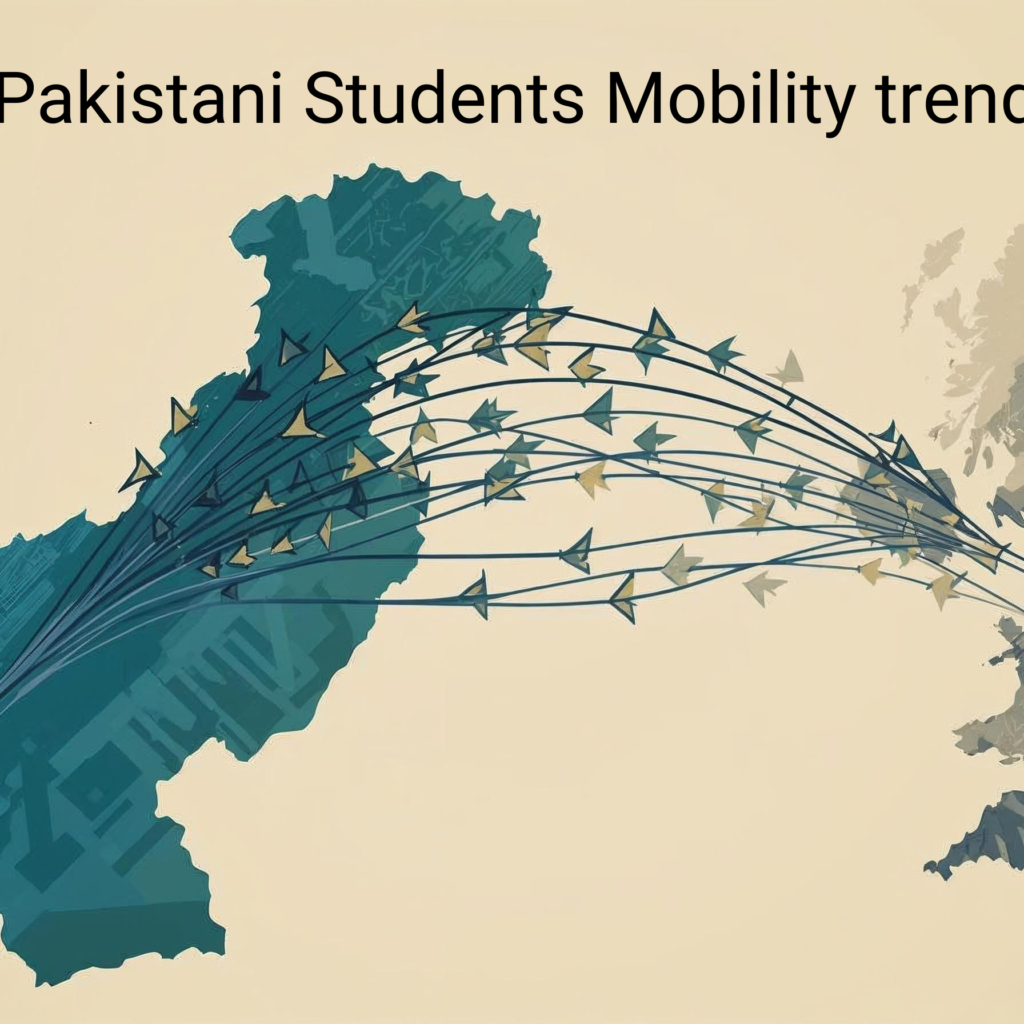
Although these rules apply globally, Pakistani applicants face unique and amplified challenges.
1. Complex Financial Histories
Students often rely on family businesses, agricultural income, or multiple sponsors. While legitimate, these sources can be difficult to document in the precise format UKVI requires. The required maintenance funds (£13,761 for London and £10,539 outside London) further increase documentation pressure.
2. Slow or Inconsistent Document Verification
UKVI and universities now cross-verify transcripts, degrees and English test results more frequently. Delays or inconsistencies from issuing institutions in Pakistan can jeopardise applications.
3. The Dependent Visa Ban
Many Pakistani families prefer studying abroad together. With dependents no longer permitted for taught Master’s students, some applicants are shifting interest toward Canada or Australia, which currently offer more flexible dependent policies.
4. Rising Institutional Risk Aversion
Universities must protect their visa refusal rates and completion rates to retain their licence. As a result, institutions may be more selective with applicants from regions where refusal rates have historically been higher, or where documentation is more complex.
Part 3: A Strategic Roadmap for Success
Given this new reality, both students and education consultants must adapt with diligence, transparency and strategic planning.
For Education Agents & Consultants (e.g., Emerging Visions)
1. Become Specialists in Compliance
Move beyond basic application processing. Your team must be trained in:
• UKVI financial evidence rules
• GST requirements
• Document verification processes
• Risk-based admissions behaviors of UK universities
2. Rigorously Pre-Vet Applications
Adopt an internal screening checklist that mirrors university and UKVI concerns.
Review:
• Academic progression
• Financial history
• Source of funds
• Study intention and career logic
Rejecting incomplete or high-risk profiles protects your credibility with university partners.
3. Develop Transparent University Partnerships
Demonstrate your due-diligence processes to partner universities. Provide complete, compliant, well-structured application packs that reduce their internal review time and strengthen trust.
4. Manage Student Expectations Honestly
Be upfront about:
• The dependent visa ban
• The importance of financial stability
• Realistic timelines
• The need for transparent documentation
This prevents last-minute surprises and ensures your clients are genuinely prepared.
For Pakistani Students
1. Start Early and Plan Strategically
Begin the process 12–18 months in advance. This helps you create a clean financial history, book language tests, and prepare credible documentation.
2. Maintain a Transparent Financial Trail
• Keep funds in the account for at least 6 months
• Avoid last-minute large deposits
• Document all income clearly
• If funds come from land sales or business revenue, provide supporting evidence plus an explanatory cover letter
3. Build a Coherent Academic Narrative
Your SOP must clearly connect:
• Past studies
• Work experience
• Course selection
• Future career goals
Any gaps or inconsistencies weaken your credibility.
4. Choose Institutions and Consultants Wisely
Select:
• Universities with stable sponsorship licences
• Consultants with UKVI knowledge and ethical practices
Avoid agents who promise guaranteed visas or encourage manipulated documents.
Conclusion: Compliance Is the New Currency
The UK’s immigration reforms are reshaping the international education landscape. For Pakistani applicants, the path remains open—but it now demands meticulous preparation, transparent financial documentation, and a credible academic rationale.
For students, authenticity and preparation are crucial.
For education agents, this new environment is an opportunity to strengthen professional standards, enhance compliance expertise, and build deeper trust with universities.
In the new UKVI landscape, shortcuts carry higher risks. Integrity, preparation, and transparency are the key determinants of success.
Disclaimer – This article reflects UKVI policies announced as of early 2024. Immigration regulations evolve frequently. For the most current information, always consult the official UK government website (GOV.UK) and seek advice from licensed immigration professionals.